






Art Deco Jewelry FAQs
Questions we hear most about Art Deco pieces. Anything else, ask us or bring a piece in.
Contact UsArt Deco jewelry, made roughly between 1920 and 1935, is all about clean geometry, platinum and contrast: white diamonds set against sapphire, emerald, onyx or coral. Every piece here was bought from a private collection and checked by our team for period, materials and condition. Read our full guide to Art Deco jewelry.
Straight lines, stepped shapes, chevrons, fans and perfect symmetry. Art Deco broke away from the soft, flowing curves of Art Nouveau and the lace-like garlands of the Edwardian era.
Platinum was the metal of the period because it is strong enough for very fine, open settings. White gold became a popular, less costly alternative. Yellow gold shows up more in later and simpler pieces.
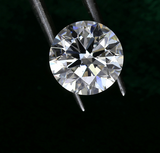
Look for old European cut diamonds, single cuts, baguettes and emerald or Asscher cuts, often framed by calibré stones cut to fit their setting exactly. Modern brilliant cuts are a sign a piece is newer.
White diamonds set against blue sapphire, green emerald, black onyx, red coral or jade. Fine milgrain edges and engraved or filigree sides finish the look.
Where the style came from, the great houses that defined it, how to read a piece and what makes one more valuable than another.
Roughly 1920 to 1935. The name comes from the 1925 Exposition Internationale des Arts Décoratifs et Industriels Modernes in Paris. Some pieces from the late 1910s and late 1930s show the same style, so period dates are always approximate.
Construction tells the story: platinum or white gold, hand-finished milgrain, old European or single cut diamonds and calibré stones fitted by hand. Modern brilliant cut diamonds and cast “Deco-style” mounts usually point to a newer piece. We check every piece before it is listed, and you are welcome to bring yours in for an appraisal.
Yes, with a little care. Platinum is very strong, but nearly a century of wear can thin prongs and milgrain. We inspect every ring before it ships and can retip prongs or tighten stones. Have it checked once a year and take it off for the gym or heavy work.
Usually. Plain shanks size easily. Filigree shanks, channel-set sides and eternity bands are more limited. Ask us before you buy and we will tell you what is possible for that ring.
The maker (a signed Cartier, Van Cleef & Arpels, Tiffany or Oscar Heyman piece carries a premium), platinum over white gold, the size and quality of the main stone, originality (no replaced stones or parts) and condition of the fine detail.
Yes. We give free verbal evaluations and pay as soon as you accept. Learn how selling works.
Leon was the best! He got to know me and worked with me so I could purchase pieces I loved the most. Outstanding customer service, I am a client for life!
Had a wonderful experience here, Bought our engagement ring from jackie who couldnt have been nicer or more professional and patient. We were flying back home to ireleland two days later and louis martin had the ring sized and ready for pick up the following day. Also bought a beautiful vintage watch. All the staff could not have been nicer.
Harry did such an amazing job on my ring it was exactly what I wanted! While he was making the ring he sent my fiancé and his family videos and pictures. The whole process went extremely smooth I highly recommend using Louis Martin Jewelers!
Loved our experience and found the perfect piece to celebrate our ten year wedding anniversary! Leon was wonderful- he was honest when a piece didn’t look good and helped keep us in budget. While the jewelry is incredible, the staff really made the experience. We’ll be back!
Such a great experience!!! Jayne was excellent on the phone and helped order the exact ring I was looking for. And they shipped it to me! When I called to have the package held at Fedex instead of signed for at my address, Jayne got the info right to their shipping expert, Harry, and he went above and beyond to make sure pick up was convenient for me. An excellent store with excellent staff--I will be back for any jewelry needs in the future. Thank you all so much!
Eddie and Leon are simply the best! They are super helpful, knowledgeable, and kind. When you buy from Louis Martin, you know that you are getting an honest, fair deal! We look forward to buying beautiful pieces from them for years to come! I cannot recommend a better jeweler!
This company is amazing. They provide good old fashioned FULL customer service! Phenomenal repair work and true artistry on jewelry alteration. They have a tremendous inventory of fine jewelry and many many estate pieces. It is an absolute pleasure to shop here!
I had a wonderful experience purchasing a luxury watch from Louis Martin. The sales staff was attentive and knowledgeable. We had a FedEx issue arise when it was delivered and they handled it promptly and efficiently. I couldn’t be happier with my experience. Will be a return customer!

Since 1978, clients have trusted us for authentic jewelry. Whether we made a piece ourselves or bought it from a private collection, our own team checks it before it is listed.

US orders ship free and fully insured by FedEx Overnight or 2Day, hand packed by our team in New York. Orders over $600 need a signature on delivery.

Online purchases can be returned for a refund or exchanged within 7 days of delivery. See our returns policy for details.