










Watch Repair in NYC
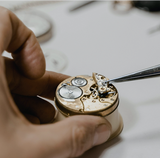
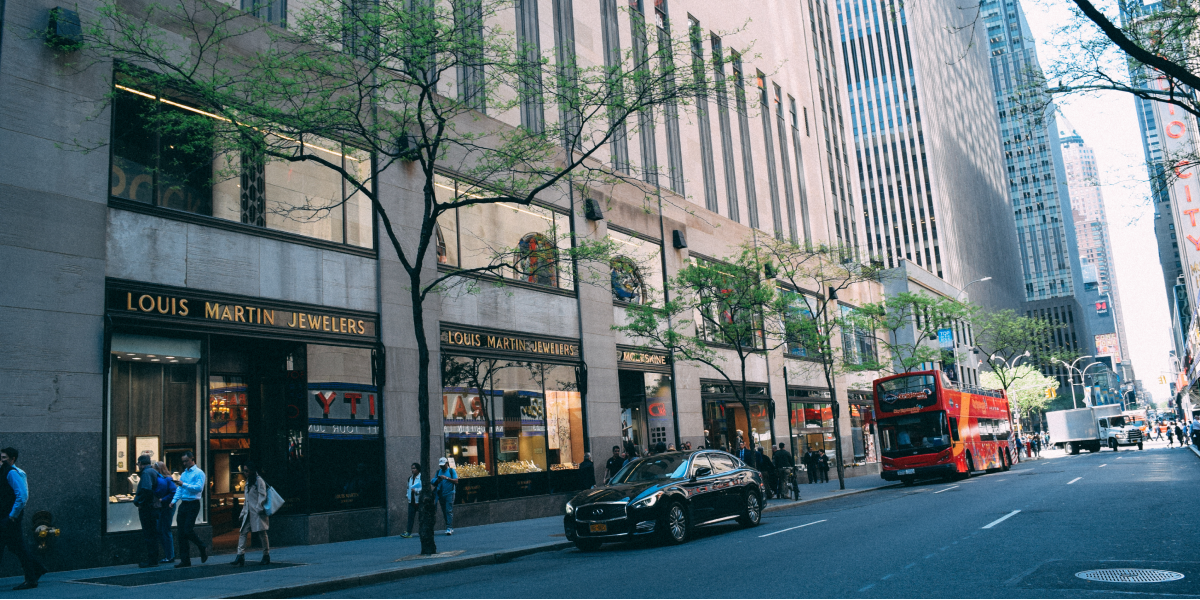
Just like your car, your watch needs regular maintenance. Our on-site watchmaker handles everything from battery replacements and simple cleanings to a full overhaul, for vintage and modern timepieces alike, right here at our Fifth Avenue showroom.
- On-site watchmaker
- Battery replacement to full overhaul
- Vintage and modern timepieces
- Serviced on Fifth Avenue
Does Your Watch Need Service?
Here are the signs that tell you it's time.
- It's running more than +/- 30 seconds a day. A serviced mechanical movement holds close to accurate time. Significant drift means the movement needs cleaning or regulation.
- It stopped for no clear reason. A fully wound watch that stops on its own usually has a dirty or dried-out movement.
- It hasn't been serviced in 5 or more years. Lubricants inside a mechanical movement break down over time whether the watch gets worn or not. A watch sitting in a drawer still needs service.
- You just bought it vintage. Service history on a pre-owned watch is rarely verifiable. Treat it as overdue until you know otherwise.
- The crown feels stiff or hard to wind. That's usually dried lubricants or debris in the winding mechanism.
- There's moisture or condensation behind the crystal. The seals have failed. Don't wear it until it's been looked at.
The same applies to modern watches. These signs hold whether your watch is from 1965 or 2005.
Service or Overhaul — Which One Do You Need?
These terms get used interchangeably, but they have their differences.
A service is routine maintenance. The movement gets cleaned, lubricated, regulated, and put back together. Worn parts get checked but aren't necessarily replaced. The watch leaves running accurately.
An overhaul goes further. Full disassembly, ultrasonic cleaning, inspection under magnification, and reassembly with replacement parts where wear calls for it: mainspring, gaskets, crown and stem, worn gears. The case gets cleaned, and the crystal may be replaced. On a vintage watch, an overhaul brings the piece back to full working condition.
Battery replacement is the quickest service we offer. Quartz watches need a fresh battery every few years, and we replace watch batteries for everyday pieces and luxury brands alike.
Every watch is different. Cost depends on movement complexity, the watch's condition, parts availability, and the skill the job requires. Servicing a 1960s Rolex Daytona is a different job than a battery change on a quartz dress watch, so we give you an estimate before any work begins.
What a Full Vintage Watch Service Should Cover
Use this as your baseline. A proper service on a vintage mechanical watch includes all of these.
- Complete movement disassembly
- Ultrasonic cleaning of all components
- Inspection under magnification
- Replacement of worn parts: mainspring, gaskets, jewels if needed
- Fresh lubrication throughout
- Reassembly and timing regulation
- Pressure and water resistance testing where applicable
- Case and bracelet cleaning
- Written condition report before and after
If a watchmaker can't walk you through these steps or won't provide a condition report, ask more questions before leaving anything with them.
Questions to Ask Before You Leave Your Watch
Save these on your phone. Ask them at the counter.
- Can I get a written estimate before you start any work? Any legitimate watchmaker will say yes. If they need to open the watch to assess it first, that's fine. Just make sure the estimate comes before you authorize anything.
- Will you use original or period-correct parts? Aftermarket parts on a vintage watch can affect how it runs and what it's worth. State your preference before work starts.
- Have you worked on this caliber before? A 1965 Omega cal. 321 is a different job than a modern ETA. It's a fair question.
- Will the dial, hands, or case finish be touched? Polishing a vintage case or refinishing a dial hurts originality and value. If you want it left alone cosmetically, say so and get it in writing.
- What's your turnaround and do you warranty the work? Two to six weeks is standard for a service. Any reputable shop stands behind their work for at least a year.
Before You Drop It Off
Tell your watchmaker these things before they touch anything.
Share the age and history of the movement. A 1950s or 1960s caliber has different tolerances, lubrication needs, and parts availability than a modern movement. A good watchmaker will ask. If they don't, bring it up before they open the case.
Be clear about originality. If the watch has collector value, or you want it kept cosmetically untouched, say it. Don't assume they'll default to preserving it.
Ask for a condition report before any work is authorized. A qualified watchmaker tells you what they're looking at before they touch anything. It sets clear expectations on scope and cost.
Looking for a Vintage Watch?
Browse our vintage watch collection. Authenticated pieces from our Fifth Avenue location, updated regularly.
Schedule a Watch Repair
A Family Name in New York Since 1978
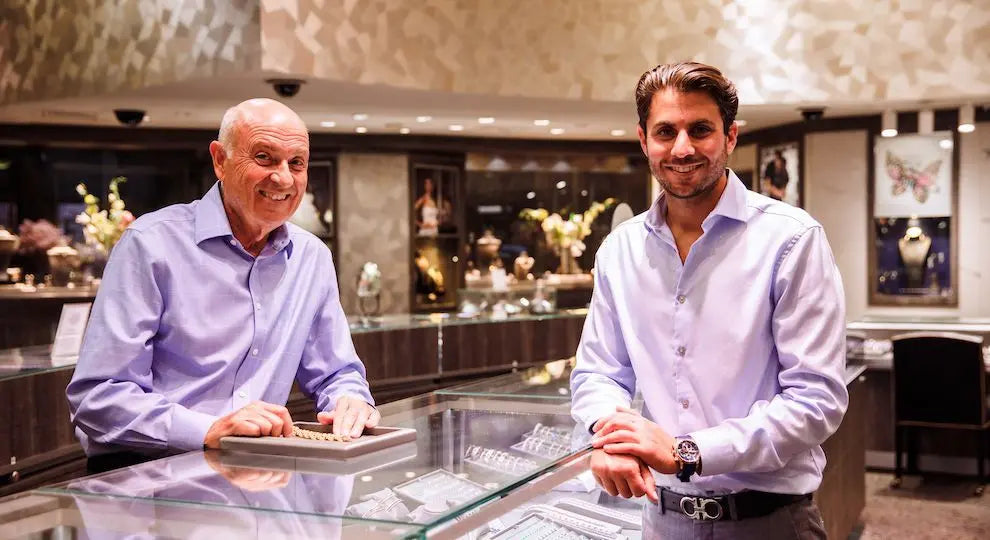
Martin Mizrahi opened Louis Martin Jewelers in 1978. Today he runs it with his son Harry, and the family still buys, authenticates and sells every piece that comes through the door.
That is the difference. When you buy from us or sell to us, you deal with the people whose name is on the door.