




In this article
Buying your first vintage watch is exciting. It’s also the moment when many people pause and ask a very honest question:
Is this actually right for me?
For many buyers, the decision starts when comparing a new watch to a pre-owned luxury watch. Vintage watches appeal to modern-watch owners looking for something different, gift buyers searching for meaning, and people drawn to design with history. At the same time, hesitation is common. Questions about reliability, wearability, and value tend to surface early.
You don’t need to be a collector to buy a watch like this. This guide is here to help you decide whether vintage fits your lifestyle, budget, and expectations before you move forward.
Quick Answer: Is a Vintage Watch Right for You?
A vintage watch is right for you if you value character over perfection, enjoy mechanical watches, and are comfortable with basic maintenance every few years. If you want a watch you can swim with, never service, and treat like a tool, you may want to buy a new piece first and come back to vintage later.
Before you buy vintage, focus on three things:
- Condition and service history, not just age
- Authenticity and disclosure from a reputable source
- Realistic expectations for water resistance and daily wear
If a vintage timepiece is properly serviced and is keeping time consistently, ownership is usually straightforward and rewarding.
Why So Many First-Time Buyers Ask This Question
Vintage watches stand apart from modern retail pieces. They aren’t mass-produced, they don’t look brand new, and they carry stories with them.
For a beginner or novice collector, that difference can feel exciting and intimidating at the same time. Many people worry about choosing the wrong watch, overspending, or ending up with something they don’t enjoy wearing.
Those concerns are normal. Understanding what vintage ownership actually looks like is the best way to decide whether buying watches in this category makes sense for you.
What Makes a Watch “Vintage” (and Why That Matters for Buyers)
In simple terms, a vintage watch is typically one that’s a few decades old or more. Over time, certain modern designs become vintage, especially when they remain relevant in the broader watch world.
Vintage watches were often built with slimmer cases, simpler movements, and different proportions than today’s designs. Dials may show light aging. Cases may carry gentle wear from years of use. These details are part of what gives vintage pieces their appeal.
If you’d like a clearer breakdown of terminology, this guide on the
difference between antique and vintage watches is a helpful place to start.
Who Vintage Watches Are Great For
Buyers Who Value Character Over Perfection
Vintage watches aren’t identical. Subtle patina, softened edges, and signs of age give each watch its own personality. If you appreciate individuality more than factory-new condition, vintage often feels like a good watch choice.
People Who Want Something Different From Modern Retail Watches
Many modern watches follow similar trends. Vintage watches offer variety across decades, from classic dress watch designs to early tool watches like dive watches. These styles feel familiar without looking current.
First-Time Buyers Thinking Long Term
Many vintage designs are already established. For buyers interested in watch collecting or collecting watches casually, that history can feel reassuring rather than overwhelming.
Who Vintage Watches May Not Be Right For (Yet)
Vintage watches may not be ideal if you expect zero maintenance or modern durability standards. They aren’t designed for heavy impact, swimming, or extreme environments.
A common pitfall is assuming every vintage watch can be treated like a brand-new watch. Vintage ownership rewards awareness more than convenience. That doesn’t mean “never,” but sometimes it means “not yet.”
If you want a practical framework for evaluating condition and expectations, this
vintage watch buyer’s checklist walks through what to look for before committing.
Daily Wear vs Occasional Wear: Setting the Right Expectations
Most first-time buyers don’t wear their vintage watch every day. Many rotate it with a modern or neo-vintage watch.
A well-maintained vintage timepiece can handle regular daily wear when treated thoughtfully. What matters most is avoiding water exposure, strong shocks, and extreme conditions. Understanding how and when you plan to wear the watch helps prevent regret later.
What First-Time Buyers Worry About When Buying a Vintage Watch (and What Actually Matters)
Reliability and Timekeeping
One of the biggest concerns is whether a watch is keeping time properly. Age alone doesn’t determine reliability. Condition and servicing matter far more.
A properly serviced watch, maintained by an experienced watchmaker, can perform consistently for everyday use. Skilled professionals know how to service older movements and find parts responsibly when needed.
Authenticity
Buying a watch from a reputable source matters. Clear disclosure matters even more. A watch doesn’t need to be perfect to be honest. Transparency builds confidence, especially for those new to the vintage watch market.
Maintenance
Vintage watches do require servicing, but not constantly. Most need attention every few years. Knowing this upfront removes much of the anxiety around buying pre-owned watches.
For a deeper look at why similar watches can be priced differently, this article on
how vintage watch prices work provides helpful context.
Best Vintage Watch Brands for First-Time Buyers
Some brands are simply easier to live with when starting out.
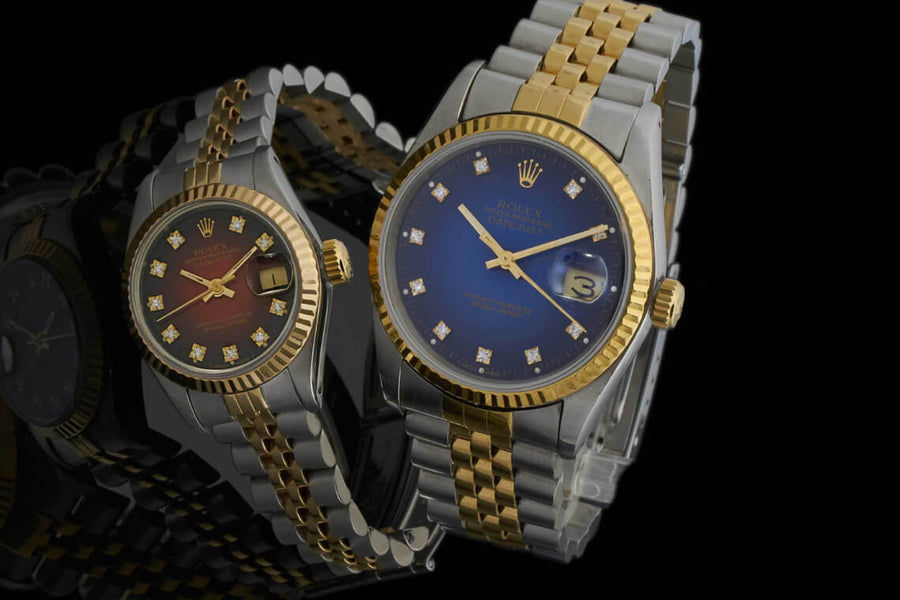
Familiar names like vintage Rolex, including models such as the Rolex Submariner with its iconic Oyster case, or classic vintage Omegas like the Speedmaster, often feel approachable. Brands such as Patek Philippe, Vacheron, and even early Seiko models appear frequently in the vintage watch market and offer a wide range of styles and price points.
If you’d like to browse by brand, these collections are a good place to start:
- Vintage Rolex Watches
- Vintage Omega Watches
- Vintage Cartier Watches
- Vintage Longines Watches
- Vintage Hamilton Watches
How Much You Should Expect to Spend on Your First Vintage Watch (and What Affects Value)
There’s no single correct budget when buying watches in this category. Some buyers start modestly. Others invest more upfront in a valuable vintage piece they plan to keep long term.
Condition, originality, and service history matter more than price alone. Factors like whether a watch includes its original box and papers can affect value, but they aren’t required for a great first purchase. Provenance and overall condition carry more weight.
Vintage Watches as Gifts: A Thoughtful Choice or a Risk?
Vintage watches can make meaningful gifts, especially for milestones like anniversaries or retirements. They feel personal and intentional.
For a beginner or someone who prefers new watches, shopping together often leads to better outcomes. Many gift buyers choose to schedule a visit or conversation to get guidance before making a decision.
How to Decide If Buying a Vintage Watch Is Right for You
Ask yourself:
- You like character over perfection
- You enjoy different watches with history
- You’re comfortable asking questions
- You plan to wear and enjoy the watch
If this feels true, vintage ownership likely fits your lifestyle.
Where First-Time Buyers Should Start When Looking to Buy Vintage Watches
A curated selection helps first-time buyers focus. Instead of trying to find watches everywhere, browsing a focused group of many vintage watches by style, size, and brand makes the process easier.
A good starting point is exploring a well-rounded
vintage watch collection and seeing which pieces naturally stand out to you.
In Conclusion: Vintage Watches Are About Fit, Not Expertise
Every collector starts somewhere. Whether this is your one watch or the beginning of a longer collecting journey, vintage ownership grows naturally over time.
Some people in the watch world are watch nerds. You don’t need to be one of them. You just need to enjoy wearing the watch as much as it was meant to be worn.
Take your time. Ask questions. Enjoy the process.