







In this article
Quick answer: To buy a vintage Jaeger LeCoultre without turning it into a project, prioritize originality and service clarity. Check dial printing for signs of refinishing, inspect case lines for heavy polishing, and ask what parts were replaced during service. Request clear photos of the dial, side profile, and caseback, then confirm vintage watch service history in writing. If you want help sourcing the right example, start with our Vintage Jaeger LeCoultre collection and ask for guidance before you commit.
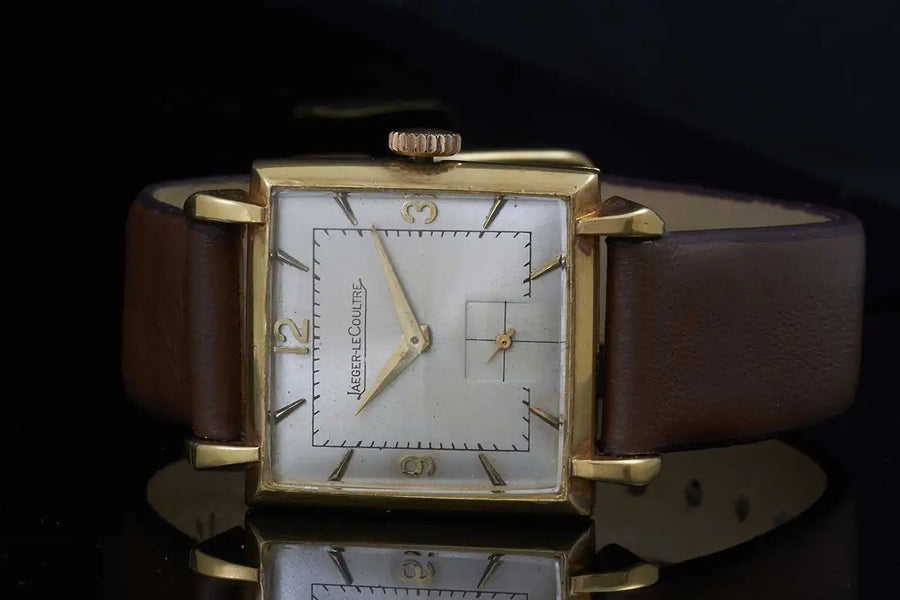
Vintage Jaeger LeCoultre has a quiet pull. The designs are restrained. The proportions feel intentional. And a good example wears like it belongs on your wrist, not in a display case.
It’s also a category where buyers get burned more often than they expect.
Not because Jaeger LeCoultre is unreliable, but because the details that protect value are easy to miss in photos. A dial refinish. A case that has been polished too far. A vague service story that really means the watch simply runs.
This vintage Jaeger LeCoultre buying guide is written to reduce that risk. It is not meant to compete with a shopping page. The real win is helping you buy smarter, then guiding you toward the right inventory when you are ready.
If you want to browse inventory first, start with our collection of Vintage Jaeger LeCoultre watches.
Why JLC is special and why buyers get burned
A Jaeger LeCoultre vintage watch often feels like a collector’s choice, even when it is a simple dress piece. The finishing tends to be thoughtful. The designs age well. And the brand has a real place in Swiss watch history.
The problem is that reputation can make buyers relax their standards. With vintage, you do not buy the name. You buy the specific watch in front of you.
Here are the patterns we see when someone brings in a vintage JLC watch they bought elsewhere:
- The dial looks clean, but it was refinished, which changes value and collector interest
- The case looks shiny, but the original lines are softened from heavy polishing
- The service story is vague, or missing entirely, which usually means deferred maintenance
- Parts were swapped during service, which may be practical, but can affect correctness and value
If you want one checklist that applies across brands, keep this open while you shop: vintage watches buyer checklist.
Start here: originality and movement health
If you only do a few checks, do these first. They are the fastest way to avoid a project.
Dial refinishing: how to spot a refinished dial
Dial work is one of the most common reasons a watch looks better online than it does in person. It is also one of the fastest ways value gets distorted.
Here is how to spot a refinished dial in plain terms:
- Printing looks slightly thick, fuzzy, or inconsistent instead of crisp
- Letters and markers do not line up cleanly, or spacing feels off
- The dial looks new while the case shows decades of wear
- The color and aging do not make sense across the whole watch
A refinished dial is not automatically unusable if you want a daily wearer. But it should change pricing, and it should be disclosed clearly. If the listing avoids the topic, assume you are missing information.
When buying online, request close ups in neutral light. Ask for straight on dial photos and a slight angle photo. Those two angles reveal more than a styled wrist shot.
Case wear and polishing
JLC cases often have clean lines that are easy to soften with polishing. Once the lines are gone, they do not come back.
What we look for:
- Edges still look defined, not rounded
- Lugs still have shape and symmetry
- Caseback engravings are legible and not overly smoothed
- The side profile looks consistent, not overly thinned
Light polishing over decades is common. Heavy polishing changes the watch and usually changes what it should be worth.
Parts swaps: what’s common
Parts swaps happen for normal reasons. Crystals get replaced. Crowns wear out. Hands can be changed during service.
The key is knowing what was replaced and whether it changes correctness.
Common swap points on vintage watches include:
- Crown
- Crystal
- Hands
- Date wheel
- Sometimes the dial, especially after moisture damage
Ask directly:
- Which parts were replaced
- When the work was done
- Who performed it
- Whether any original parts are included
A watch can be genuine and still be a poor buy if the wrong parts were installed or if the work was done carelessly.
Model specific checks: dress models, Memovox, and more
You do not need to memorize every reference to buy well. But model type changes what you should test.
Dress models and simple time only pieces
These are often the safest entry point, as long as originality and service history are solid.
What to check:
- Dial condition and printing
- Case lines and proportions
- Smooth winding and setting
- Hand alignment and date change behavior if applicable
Memovox buying guide (quick version)
If you are shopping Memovox, treat it as its own lane. This is the memovox buying guide version we use in store.
What to test:
- Alarm works and sounds clean, not weak or inconsistent
- Alarm setting function operates smoothly
- Crowns and functions make sense for the model
- Service history includes the alarm system, not only the base movement
Memovox is rewarding, but it is not a “buy first, figure it out later” watch. A Memovox with vague service history is a common project trap.
Any model with added complexity
The more a watch does, the more you should care about documentation and service scope.
Rule: if the seller cannot describe what was serviced, price in a full service and decide if the watch still makes sense.
Service reality: cost, timeline, parts
This is where most projects happen.
A proper service should mean more than “it runs.” A real service should address:
- Movement performance and reliability
- Worn parts that affect timekeeping
- Correct function of crown, setting, and hands
- Reasonable sealing expectations for a vintage watch
If the seller cannot provide details, assume you will need servicing soon. That does not mean you should not buy. It means you should buy with eyes open.
If you want a clear explanation of the terms sellers use, read: watch appraisal vs servicing vs authentication.
If you already own a piece and want it evaluated or maintained, this is the right next step: watch repair.
Paperwork and valuation: how to think about it
Paperwork can support value, but it should not replace inspection.
What matters most:
- Service receipts from a reputable watchmaker
- Documentation that matches the watch details
- Clear notes on what was done and when
What matters less than people think:
- A box without real context
- Generic paperwork that does not match the watch
- Marketing language in place of specifics
If you need documentation for insurance, resale, or estate planning, consider an appraisal after purchase. It puts the details in writing and removes guesswork later.
Buying in NYC vs online
Online gives you selection. In person gives you control.
When you buy in person, you can:
- Inspect dial printing under real light
- Check case lines from multiple angles
- Feel how the watch winds and sets
- Get clearer answers on condition and service history
Online can work, but you need discipline:
- Ask for close ups of the dial, side profile, and caseback
- Ask direct questions about parts swaps
- Confirm return policies before you pay
- Expect that lighting can hide issues
If you are buying online, keep this open as your baseline: vintage watches buyer checklist.
If you want us to help you source the right one
If you have a specific Jaeger LeCoultre in mind, we can help you narrow it down based on condition, sizing, and what matters most for long term ownership.
If you want help tracking down the right example, you can source a watch. If your watch needs service, take a look at our watch repair resource page for recommended NYC shops and what to know before you go."
FAQ
How do I spot a refinished dial on a vintage JLC watch
Look for printing that feels thick, uneven, or slightly blurry. Compare dial condition to case condition. If the dial looks new but the case shows decades of wear, ask why. Request close ups in neutral light.
Is polishing always bad on a vintage Jaeger LeCoultre
Light polishing over time is common. Heavy polishing softens edges and changes the original case shape, which can reduce value. The best cases still hold their lines.
Should I only buy a Jaeger LeCoultre vintage watch if it has service records
Service records reduce risk. If there are no records, assume you will need servicing and budget accordingly. Do not let “recently serviced” stand in for details.
Are Memovox models riskier to buy
They are not automatically riskier, but they have more to test. Make sure the alarm works correctly and ask whether the alarm system was serviced, not only the base movement.
What should I ask a seller before I buy
Ask for close ups of the dial, side profile, and caseback. Ask what was serviced, when it was serviced, and whether parts were replaced. Confirm the return policy before you pay.